Can You Shave After Laser Hair Removal?

Can you shave after laser hair removal?
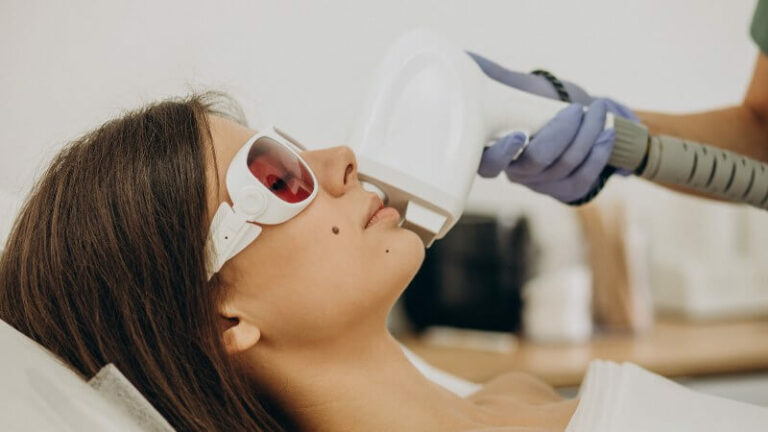
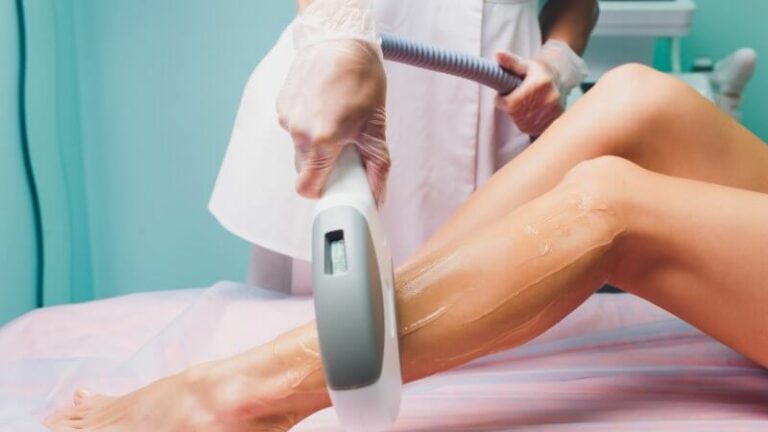
Shaving after laser hair removal is safe and even recommended before your next session, as it helps reduce hair density and improves results.
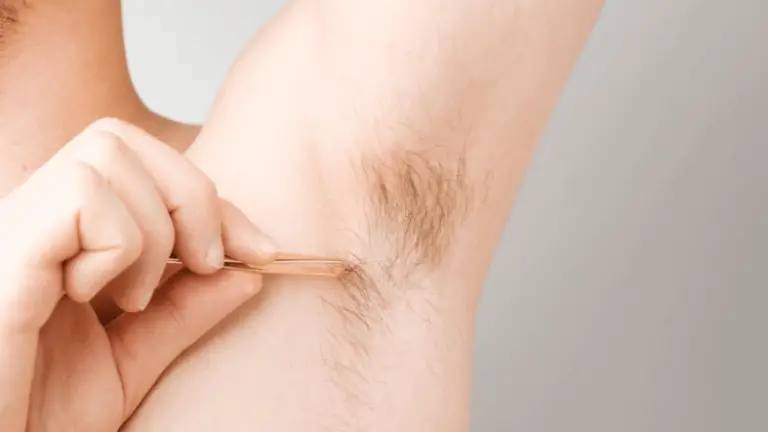
Other hair removal methods, like waxing, threading, and plucking, are not advised, as they can damage follicles and lessen the effectiveness of treatment.
Additionally, avoid the sun, harsh scrubs, bleaching agents, and exfoliants in the treated area, as these can make skin more sensitive and increase the risk of irritation.
First and foremost, most people who care about their skin would want to know which is the best sunscreen. I recommend and always use Sun Bum Natural Mineral Sunscreen and you can see why below.

Best Water-resistant sunscreen for Sports
I recommend and use Sun Bum Natural Mineral Sunscreen. So far it stays on longest with water than any other sunscreens I’ve used.
The best things about Sun Bum Natural Mineral Sunscreen? It’s SPF 50, vegan, chemical-free, reef-safe, and water-resistant.
If you are doing anything under the sun, especially knowing that you may get wet, you should get the best water-resistant sunscreen for sports.
Meantime, the question remains to be explained: Can you wash your face after laser hair removal? — that is if you had the procedure on your face.
To ensure the best results, be consistent with shaving before each session and follow all aftercare instructions given by your practitioner. This will help you get smoother, hair-free skin faster. Meantime, let’s dive in!
Can you shave after laser hair removal?
The importance of proper aftercare

Post-Laser Hair Removal Care Essentials
Aftercare is key for healthy skin after laser hair removal. This helps the results last longer and discomfort is minimized.
- Keep the area clean, moisturized, and sun-protected. Wash it with gentle soap and water. Moisturize and avoid direct sun or tanning beds.
- Also, no harsh exfoliants, waxing, or threading for 4 weeks post-treatment. Shaving is OK in between treatments. But don’t shave on the same day as your session.
- Pro Tip: Wear loose clothing and use a cool compress. Check with your dermatologist before applying any topical meds or ointment.
- Remember, patience is essential for shaving post-laser hair removal – unless you’re fine with leopard-like patches.
Can you shave after laser hair removal?
Guidelines on when to start shaving after laser hair removal

After having laser hair removal treatments, it is important to know the appropriate time to resume shaving to avoid any undesirable effects that might interfere with the process.
It is crucial not to shave immediately after laser hair removal. It is advisable to wait for at least 24 hours before you shave the treated area. Additionally, avoid shaving the area for one week before the treatment.
It is best to pay close attention to the reaction of your skin. If there is any irritation or redness, avoid shaving the treated area until it has healed completely. Furthermore, it is advisable to use a good moisturizer after shaving to keep the skin hydrated.
To ensure the best results from your laser hair removal, it is essential to follow these guidelines. Shaving too soon can hinder the process while shaving correctly can enhance and prolong the results. It is crucial to adhere to the specific instructions given by your practitioner to attain optimum results.
“It’s like waiting for a Christmas present, but the only gift you’re getting is hairless skin.”
Wait for the treated area to fully heal
After laser hair removal, it’s essential to let the treated area heal. Freshly lasered skin is delicate and can be easily irritated or damaged by shaving. Follow these 5 steps for a full recovery:
- Wait 24-48 hours before shaving.
- Don’t use products with alcohol or harsh ingredients on the treated area.
- Avoid hot water, steam rooms, saunas, and sweating for 1 day after the therapy.
- Moisturize regularly with hypoallergenic lotion or cream.
- If you get a rash, don’t shave until it goes away.
Facial areas recover faster than arms and legs. I got rashes from shaving a day after laser therapy. To get desired results without issues, I had to follow medical advice and let my skin heal properly. Before talking to your laser technician, remember they’ve seen more bodies than an attendant at a nude beach!
Can you shave after laser hair removal?
Consult with your laser hair removal technician
It’s essential to consult with your laser technician for advice on when to begin shaving after the treatment. They can provide personalized guidance based on your particular procedure and skin type. Heeding their advice helps ensure good healing and long-lasting results.
You should wait at least 24 hours before shaving after a laser session. This will give the skin time to heal and reduce the risk of inflammation. After this period, you can start shaving again, but use a clean razor and avoid harsh exfoliants or chemicals.
Various aspects such as the size and position of the treated area, the laser used, and any skin issues or sensitivities can affect when it is safe to begin shaving after laser hair removal.
Tip: Make sure to keep your technician updated on any changes in your skin or hair growth patterns so they can adjust your treatment plan accordingly.
Be cautious about the type of razor and shaving cream used
When shaving after laser hair removal, it is vital to choose the right razor and shaving cream. Poor decisions can lead to rashes, ingrown hairs, and irritation. Here’s a concise 6-step guide:
- Invest in a high-quality razor that suits your skin type.
- Avoid dull or overly-used razors.
- Select a shaving cream free from fragrances, dyes, and alcohol.
- People with sensitive skin should opt for shaving gels.
- Don’t apply shaving cream on areas with prior burns or wounds.
- Rinse with cold water and moisturize afterwards.
A poor choice of blade and lubrication can ruin the results of laser hair removal. Follow your dermatologist’s instructions to avoid complications. Negligence may cause long-term damage. For flawless results, consult an experienced practitioner about the possible adverse effects of not following these guidelines. Be safe – never take risks!
Can you shave after laser hair removal?
The proper technique for shaving after laser hair removal

After undergoing laser hair removal, maintaining the treated area is crucially important. Keeping the skin clean and hair-free, especially when shaving, can make a huge difference to the overall effectiveness of the treatment. Here’s how to do it the right way:
- Wait at least 24 hours after the laser hair removal before shaving the treated area.
- Exfoliate the area gently before shaving using a loofah or exfoliating cream. This will help remove any dead skin cells and reduce the likelihood of razor burn.
- Use a new razor blade to shave and apply a soothing shave gel or cream. Carefully shave the treated area in the direction of hair growth, avoiding any cuts and scrapes.
- Rinse the area thoroughly with cool water and pat dry with a clean towel. Apply a gentle moisturizer to keep the skin hydrated and healthy.
Remember, shaving immediately after laser hair removal could cause irritation or even damage to the skin surface. Therefore, it’s important to wait for at least 24 hours before shaving. Additionally, avoid using any harsh exfoliating scrubs or using a dull razor blade as they can cause damage to the treated area.
Don’t risk undoing all the benefits of your laser hair removal. Follow the above techniques for a perfect post-laser shave. Book a follow-up appointment with your therapist and prioritize taking care of your skin today. Remember, a dull razor is like trying to shave a cactus with a butter knife.
1. Use a clean and sharp razor
Post laser hair removal, it’s essential to use a clean and sharp razor. This will prevent irritation and infection, creating a smoother and gentler shaving experience. To use one, do these five steps:
- Wet the skin using warm water.
- Apply shaving cream or gel to the area.
- Hold the razor at a 30-degree angle and shave with the direction of the hair growth.
- Rinse the razor often to remove any hair and shaving cream/gel buildup.
- Afterward, rinse the shaved area with cool water and pat dry with a clean towel.
Also, electric razors may be more severe on newly lasered skin than manual razors. So, it’s best to stick with manual razors until your skin is fully healed.
It’s essential to always keep your razor clean and sharp. Using an old or rusty blade can cause cuts, nicks, and infections. Replace the razor head every three uses, for maximum hygiene.
To get the most out of laser hair removal, always use a clean and sharp razor for safe grooming practices.
Can you shave after laser hair removal?
2. Shave in the direction of hair growth
Optimum results from laser hair removal require proper shaving. To dodge undesired side effects, make sure to shave according to the direction of hair growth. Here’s a 4-step guide:
- Exfoliate gently to remove dead cells.
- Sharp razor = less chance of uneven cuts.
- Apply shaving cream or oil to lubricate and protect.
- Shave with the grain to prevent cuts and irritation.
It’s important to remember: wrong techniques can lead to scars, discoloration, bumps, and redness. Dull blades and pre-shave carelessness increase those risks.
Ancient Egyptians even did it! Around 400 BC they removed body hair with sugaring paste made from honey and sugar. And don’t forget to moisturize after shaving – your skin will thank you.
3. Apply a moisturizer after shaving
Post-shaving, it’s essential to apply a hydrating agent. After laser hair removal, keep skin healthy and moisturized with proper aftercare.
- Pick a lotion or cream suitable for your skin type.
- Ensure no harsh chemicals in the moisturizer that can irritate.
- Gently rub the moisturizer onto your skin and massage for 30 secs – 1 min to let it absorb.
- Avoid hot water after shaving; use cold water instead.
- Apply the moisturizer once more before you head out to protect skin from environmental factors.
Don’t forget hygiene when you shave post-laser hair removal. Refrain from touching the area, unless needed.
Oily skin people should pick non-comedogenic lotions to avoid clogged pores and breakouts. Organic products with natural ingredients are a safe bet and don’t bring side effects.
Make sure hands are clean when applying moisturizer post-shave. Germs on them can multiply if applied to broken or sensitive skin.
A client of ours used an alcohol-based moisturizer after laser hair removal without knowing anything about suitable products. It stung and left her with red patches, delaying healing for weeks. Always research before choosing a product!
Skip the razor and embrace the prickly: alternatives to shaving after laser hair removal.
Can you shave after laser hair removal?
Alternatives to shaving after laser hair removal

If you are looking for alternatives to shaving after laser hair removal, there are multiple options that you can consider.
- Waxing or sugaring: This method removes the hair from the root and can last up to 6 weeks.
- Depilatory Creams: Creams that dissolve the hair can be used to remove hair without shaving.
- Epilator: An electronic tool that removes hair from the root using mechanical tweezers.
- Threading: A traditional method that removes hair with a cotton thread by twisting and rolling it around the hair.
- Electrolysis: A hair removal method that uses electric currents to destroy hair follicles.
While these methods can be alternatives to shaving after laser hair removal, it is essential to note that some of them might not be suitable for sensitive skin types. It is best to test a small area of your skin before trying any new hair removal technique.
To avoid the inconvenience of shaving after laser hair removal, it is worth exploring these alternative hair removal methods. Say goodbye to the hassle and make your life easier by exploring these hair removal techniques. Don’t wait till the last moment, try them now!
Good news: waxing and threading are both great alternatives to laser hair removal, unless you’re into the whole ‘torture chamber’ vibe.
Waxing And Threading Tips
Post-laser hair removal is essential for long-term hair reduction success! Step up your game with some innovative waxing or threading techniques.
- Threading utilizes a thread to pull out unwanted hair, leaving you smooth for two weeks.
- Waxing has advanced and now uses warm and cold wax, reducing pain in sensitive areas.
- Sugaring uses a natural paste of sugar, lemon, and water, with less discomfort and irritation than conventional waxing methods.
Go the at-home route too – try homemade sugar scrubs or epilating devices. Did you know that ancient Egyptians used beeswax and sugar paste for hair removal? It was a special ritual for royal women due to its beauty benefits. Sugaring today is non-toxic, eco-friendly, and hypoallergenic.
Experience complete confidence in your skin while integrating these alternatives after laser hair removal. Keep your hairless dream alive with touch-up laser sessions – hair growth is never-ending!
Can you shave after laser hair removal?
Consider getting touch-up laser hair removal sessions
Maintain your silky, smooth skin by getting periodic touch-up laser hair removal sessions. These can help address missed hair growth or new growth due to hormones. You’ll save time from not having to shave or wax as often.
Laser hair removal takes multiple sessions for best results. Skipping follow-ups can lead to unwanted hair growth. So, schedule your next session within the recommended timeframe.
Don’t miss out on the benefits of smooth skin. Schedule your touch-up laser hair removal session today. Avoid resembling a plucked chicken by keeping up with your laser sessions!
Allow Hair To Grow Naturally
Growing hair naturally is a must after laser hair removal. It can be a bit overwhelming, but you need to give your hair enough time to regrow before going for another hair removal option. This will make sure your next laser appointment isn’t too soon and won’t damage your skin.
To help your hair regrow, use exfoliating products such as scrubs. They get rid of dead skin cells and encourage new hair growth. Additionally, applying a gentle moisturizer might help ease any itching or discomfort that comes with growing out your hair. Doing so will protect your skin while allowing for natural growth.
Also, avoid shaving during this stage. It can lead to ingrown hairs or inflammation, which can interfere with the growth cycle. There are other alternatives to shaving, like waxing, threading and epilation. Waxing takes out hair from the root, giving you a long-lasting result. And threading is great for small areas, like eyebrows, as you get precise control.
It’s important to know that certain medications may affect hair growth cycles, like oral contraceptives and chemotherapy drugs. So talk to your doctor to see if there’s a chance that your medication could affect your treatment before you begin to grow your hair back naturally after laser removal.
Can you shave after laser hair removal?
Shaving After Laser Hair Removal FAQs
Can you shave after laser hair removal?
Yes, you can shave after laser hair removal. However, you should wait 24 to 48 hours before shaving to avoid irritating the treated area.
Can I wax or pluck hairs in between laser hair removal sessions?
It is not recommended to wax or pluck hairs in between laser hair removal sessions as these methods remove the hair follicle, which is the target of the laser. Shaving is a better option to maintain the desired hair length.
How long should I wait to shave after laser hair removal?
It is recommended to wait 24 to 48 hours to shave after laser hair removal. This allows the skin to heal and reduces the risk of irritation or inflammation.
Can I use an electric razor after laser hair removal?
Yes, you can use an electric razor after laser hair removal. However, it is important to wait 24 to 48 hours before using it to avoid irritating the treated area.
Can shaving affect the results of laser hair removal?
Shaving does not affect the results of laser hair removal. In fact, it is recommended to shave prior to treatment to ensure that the laser targets the hair follicle and not the hair on the surface.
What should I do if I experience irritation or redness after shaving following laser hair removal?
If you experience irritation or redness after shaving following laser hair removal, you should apply a gentle moisturizer or aloe vera to soothe the skin. If the irritation persists, contact your laser hair removal provider for advice.
Can You Get Laser Hair Removal With Tattoos?
Yes, you can get laser hair removal with tattoos, but you are advised not to do so if possible. If you do, there are risks of the interaction causing damage to your skin and your tattoo to change.